Understanding Fixed-Rate Mortgages: A Comprehensive Guide
GW
What is a Fixed-Rate Mortgage?
A fixed-rate mortgage is a type of home loan where the interest rate remains constant throughout the life of the loan. This stability allows homeowners to plan their finances with confidence, as their monthly mortgage payments will not fluctuate due to changes in interest rates.
How Do Fixed-Rate Mortgages Work?
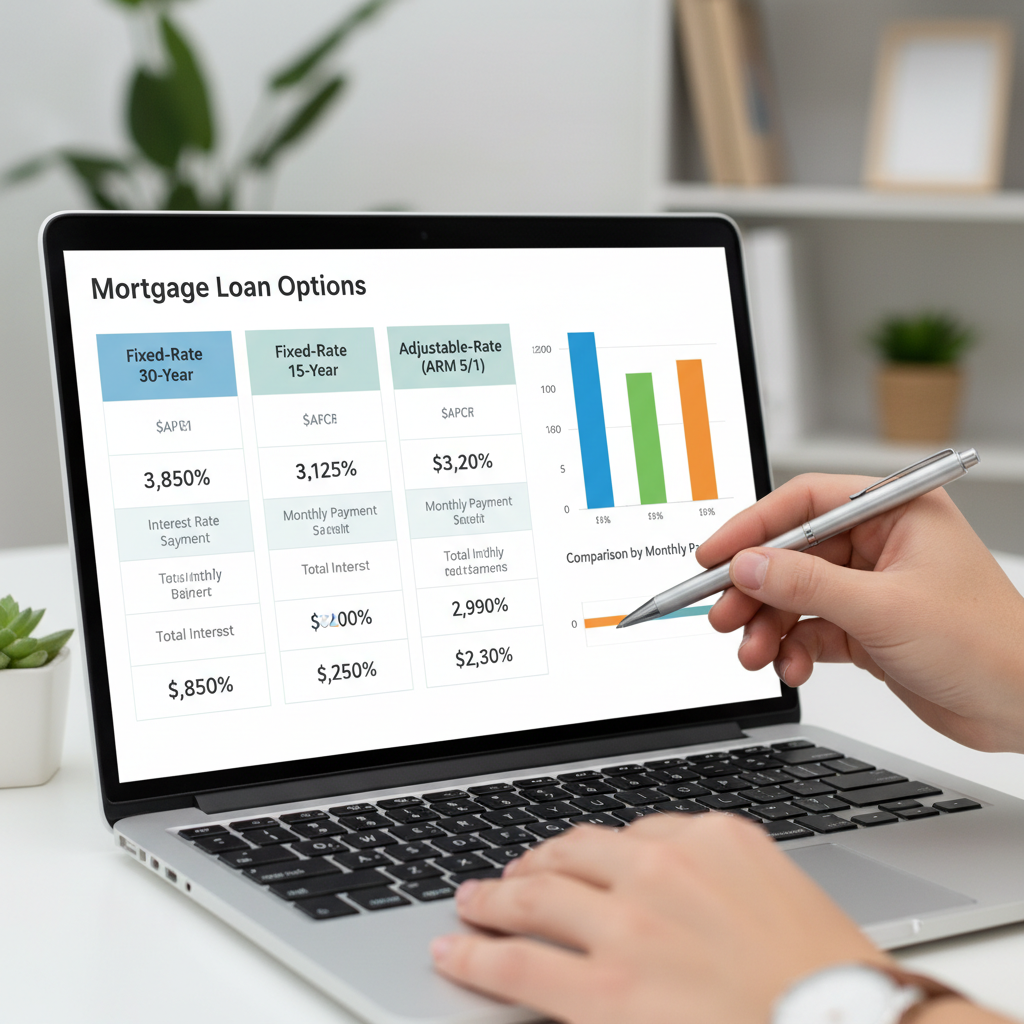
When you take out a fixed-rate mortgage, you agree to pay back the loan over a set period, typically 15, 20, or 30 years. The interest rate is determined at the outset, and your monthly payments are calculated based on this rate and the loan term. This predictability is one of the key advantages of a fixed-rate mortgage.
Loan Terms
Fixed-rate mortgages come with different loan terms, affecting the total amount of interest paid over the life of the loan. Shorter terms generally come with higher monthly payments, but less interest paid overall. Conversely, longer terms offer lower monthly payments but increase the total interest.

Advantages of Fixed-Rate Mortgages
One of the primary benefits of fixed-rate mortgages is financial stability. Homeowners know exactly how much they will need to pay each month, making budgeting more manageable. Additionally, fixed-rate mortgages protect borrowers from any potential increases in interest rates over time.
Protection Against Inflation
Since the interest rate is locked in, fixed-rate mortgages offer a hedge against inflation. As living costs rise, your mortgage payment remains the same, effectively reducing the relative cost of your monthly payment over time.

Drawbacks of Fixed-Rate Mortgages
While fixed-rate mortgages offer stability, they can come with higher initial interest rates compared to adjustable-rate mortgages (ARMs). This means that if interest rates drop, those with fixed-rate mortgages won't benefit from lower monthly payments unless they refinance.
Refinancing Considerations
If interest rates significantly decrease, refinancing your mortgage might be an option to consider. Refinancing can help lower your monthly payments or shorten your loan term, but it's important to weigh the costs and benefits before making a decision.

Is a Fixed-Rate Mortgage Right for You?
Deciding whether a fixed-rate mortgage is the right choice depends on your financial situation and future plans. If you value stability and plan to stay in your home for the long term, a fixed-rate mortgage might be ideal. However, if you anticipate moving or think interest rates might drop, exploring other options could be beneficial.
In conclusion, understanding the nuances of fixed-rate mortgages can empower you to make informed decisions about your home financing. By considering the pros and cons, you can determine if this type of loan aligns with your financial goals.